
Research
Overall, my current and anticipated future research focuses on the field of exoplanets. My earlier research experience was primarily in AGNs and time-domain astronomy
Using Astrometry and RV to Identify New Exoplanets and Brown Dwarfs Amenable to High-Contrast Imaging From the Ground and Space
Direct imaging surveys capable of probing the exoplanet population beyond the ice line have been plagued by a low rate of discoveries. Recently, efforts have switched to dynamics-selected surveys, primarily focused on imaging systems showing dynamical evidence for a planet from Hipparcos and Gaia astrometry (e.g. Currie et al. 2023, 2025; Mesa et al. 2023). Precision radial-velocity (RV) data may also reveal planets directly or hint at them (e.g. long-term RV trends; Crepp et al. 2014), especially for planets around older stars accessible with JWST or ELTs in thermal emission or Roman and HWO in reflected light. We have initiated a large campaign to identify new planets and low-mass brown dwarfs from newly-available precision RV data for this purpose.
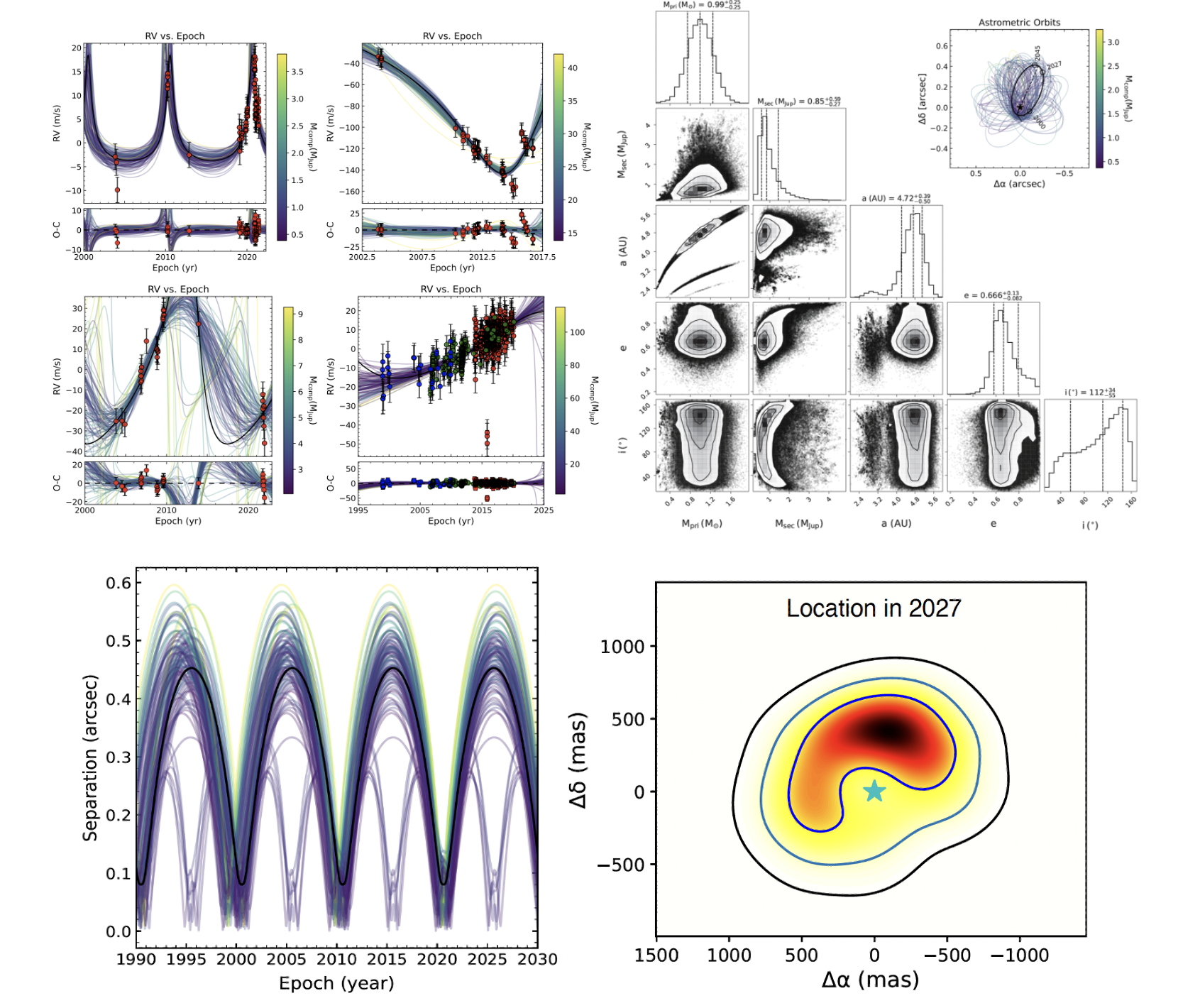
Figure 1. Radial-velocity curves for several candidate companions. For one representative system, we also show the joint astrometric and radial-velocity orbital solution, including the best-fit orbit and predicted future sky positions.
Three cases of optical periodic modulation in Active Galactic Nuclei
We report on the case of optical periodic modulation discovered in two Active Galactic Nuclei (AGN) and one candidate AGN. Analysing the archival optical data obtained from large transient surveys, namely the Catalina Real-Transient Survey (CRTS) and the Zwicky Transient Facility (ZTF), we find periodicities of 2169.7, 2103.1, and 1462.6 d in sources J0122 + 1032, J1007 + 1248 (or PG 1004 + 1248), and J2131 - 1127, respectively. The optical spectra of the first two indicate that the first is likely a blazar and the second a type 1 Seyfert galaxy, and while no spectroscopic information is available for the third one, its overall properties suggest that it is likely an AGN. In addition, mid-infrared (MIR) light-curve data of the three sources, taken by the Wide-field Infrared Survey Explorer (WISE), are also analysed. The light curves show significant variations, but not appearing related to the optical periodicities. Based on the widely discussed supermassive black hole binary (SMBHB) scenario, we discuss the origin of the optical modulation. Two possible interesting features, an additional 162-d short optical periodicity in J2131 - 1127 and the consistency of the X-ray flux variations of J1007 + 1248 with its optical periodicity, are also discussed within the SMBHB scenario.
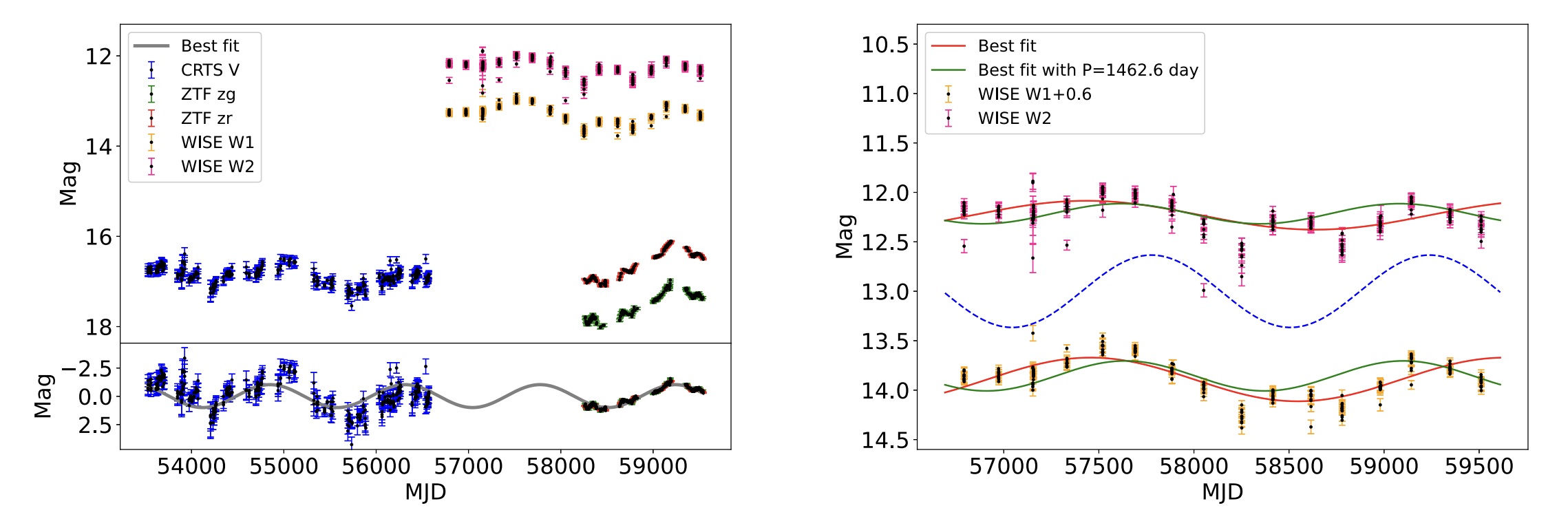
Image credit: Li et al. (2023a) .
Figure 2. Multi-band light curves of J2131−1127, clearly showing a periodic modulation with a period of approximately 1500 days, indicating a potential supermassive black hole binary.
AT2021acak: a Candidate Tidal Disruption Event Found in the Zwicky Transient Facility Survey
We report a candidate tidal disruption event (TDE) found in the Zwicky Transient Facility survey data. This candidate, with its transient name AT2021acak, showed brightness increases of ~1 mag around MJD 59500 and subsequent power-law-like brightness declines. We have conducted multiple optical spectroscopic observations with the 2.4 m Lijiang telescope and one observation at X-ray and ultraviolet (UV) bands with the Neil Gehrels Swift Observatory (Swift). The optical spectra of the source show broad H and He emission lines and Fe emission features. Possible 0.3-2 keV X-ray and bright UV emission of the source was detected. We analyze the declines of the optical light curves, the emission features of the optical spectra, and the constructed broad-band UV and optical spectra. The properties derived from the analyses are consistent with those of reported (candidate) TDEs, and in particular very similar to those of ASASSN-18jd. The identification is complicated by the host being likely an AGN, and thus further observations of the event and quiescent host are required in order to have a clear understanding of the nature of this transient event.
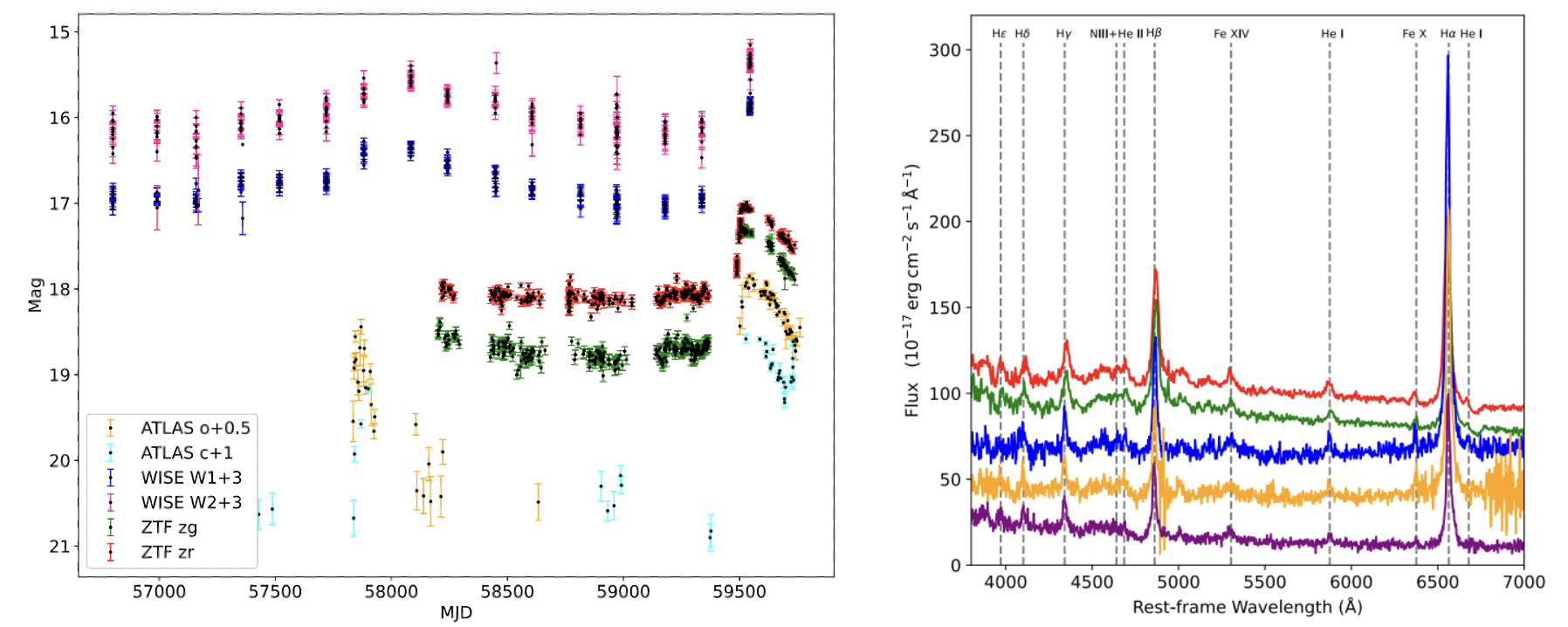
Image credit: Li et al. (2023b) .
Figure 3. Multi-band light curves and spectroscopic monitoring of AT2021acak during the tidal disruption event.
Four Changing-Look Active Galactic Nuclei Found From Optical Variations
We report the findings of four changing look (CL) Active Galactic Nuclei (AGN). We selected these sources due to their potential as interesting targets when considering their relatively large optical flux variations and related mid-infrared flux variations. To identify their CL feature, we use archival spectra from the Sloan Digital Sky Survey (SDSS) taken at least 8 yr ago as well as spectra taken recently from the Transient Name Server (TNS) and with the 2.4-m LiJiang telescope (LJT). We study the sources’ spectral changes by fitting and determining the Hα and Hβ components and verify their CL behaviour. When comparing the TNS and/or LJT spectra to the SDSS ones, all four sources showed the appearance of a broad or a stronger broad Hα component and a relatively weak broad Hβ component. As two of the four sources are established to have a brighter-and-bluer feature in the photometric data, during the time periods in which the TNS and LJT spectra were taken, this feature likely accompanied the turn-on of the broad components. Thus, we suggest that this brighter-and-bluer feature can be used as a criterion for efficiently finding CL sources among previously spectroscopically classified type 2 AGN, such as those from among the sources provided by the SDSS.
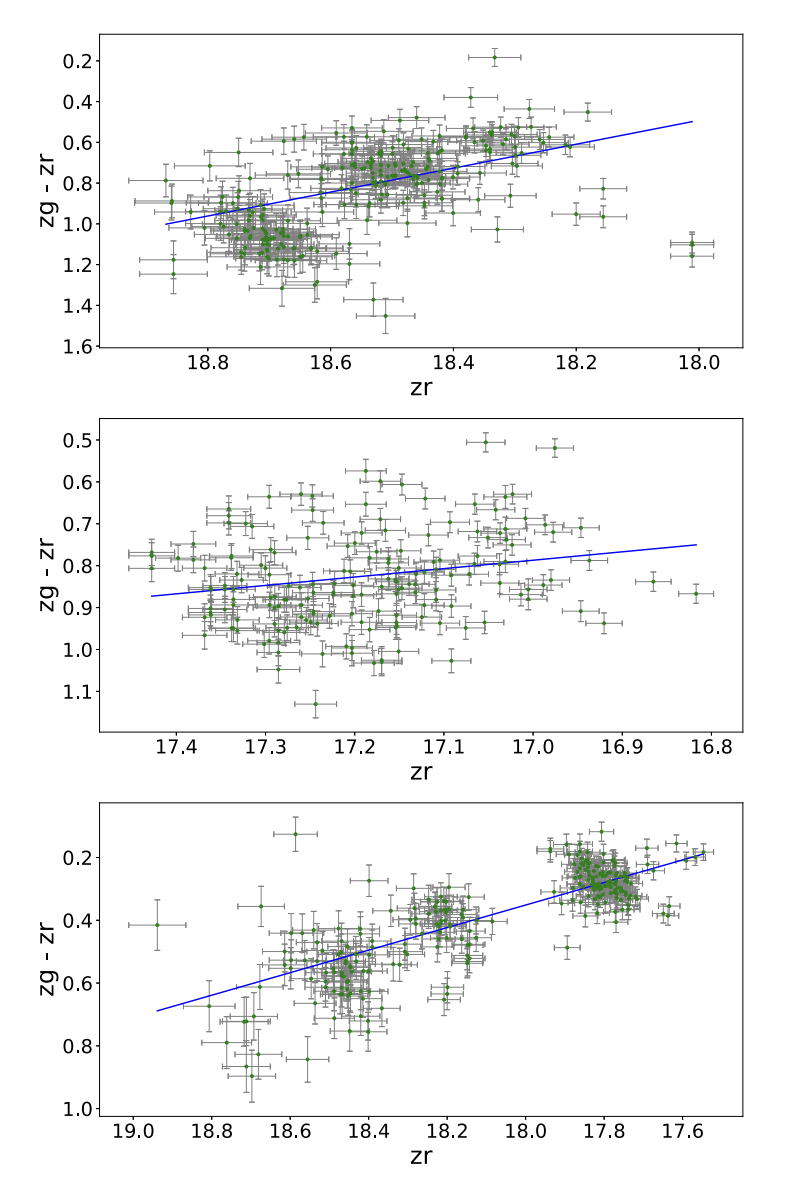
Image credit: Zhu et al. (2024) .
Figure 4. These changing-look AGNs exhibit a brighter-and-bluer trend during their turn-on phases, suggesting that color-based criteria can be used to systematically identify changing-look AGNs. Subsequent follow-up studies, Zhu et al. (2025) demonstrate the high efficiency of this method.
Systematic Searching for Dual AGNs
We conducted a study on the discovery and identification of kiloparsec-scale dual active galactic nuclei (Dual AGN) systems, aiming to investigate galaxy mergers and the co-evolution of supermassive black holes and their host galaxies. To identify promising Dual AGN candidates, we searched for close galactic pairs in SDSS optical images to target systems likely in an ongoing merger stage, and further cross-matched these sources with the FIRST survey, selecting systems with radio counterparts to increase the probability of nuclear activity. Follow-up spectroscopic observations and emission-line analysis were then performed, through which three Dual AGN candidates were spectroscopically confirmed.
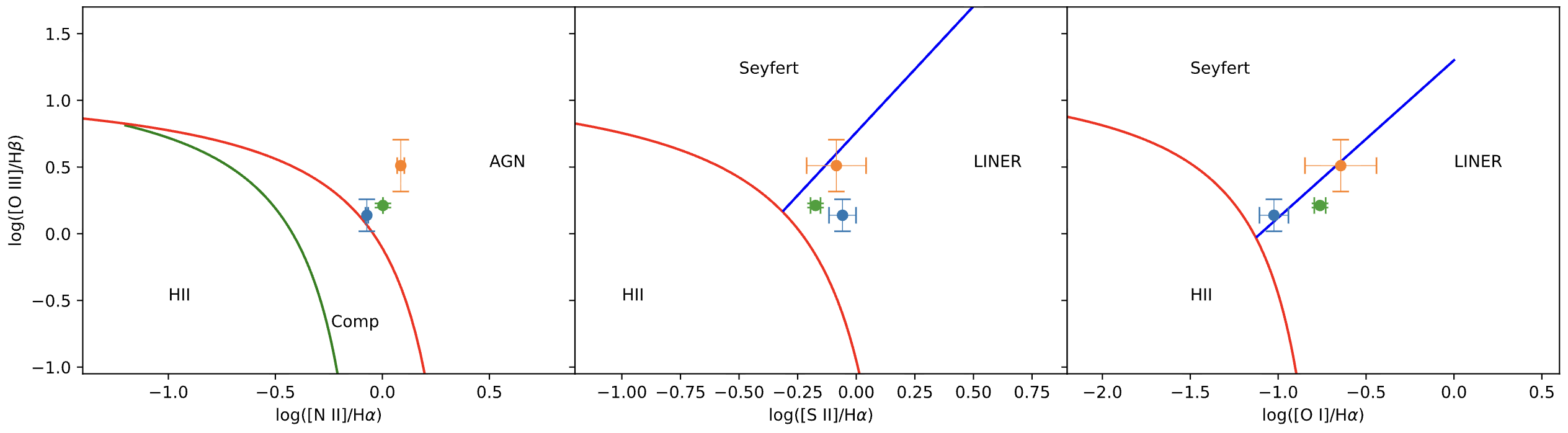
Figure 5. Narrow-line AGNs identified using the diagnostic emission-line diagram.
Development of LHAASO-WFCTA Camera
I contributed to the development of the camera system for the Wide Field-of-view Cherenkov Telescope Array of the Large High Altitude Air Shower Observatory (LHAASO-WFCTA). My work included testing silicon photomultiplier (SiPM) linearity, assembling the camera system, and investigating the impact of skylight background on detector performance.
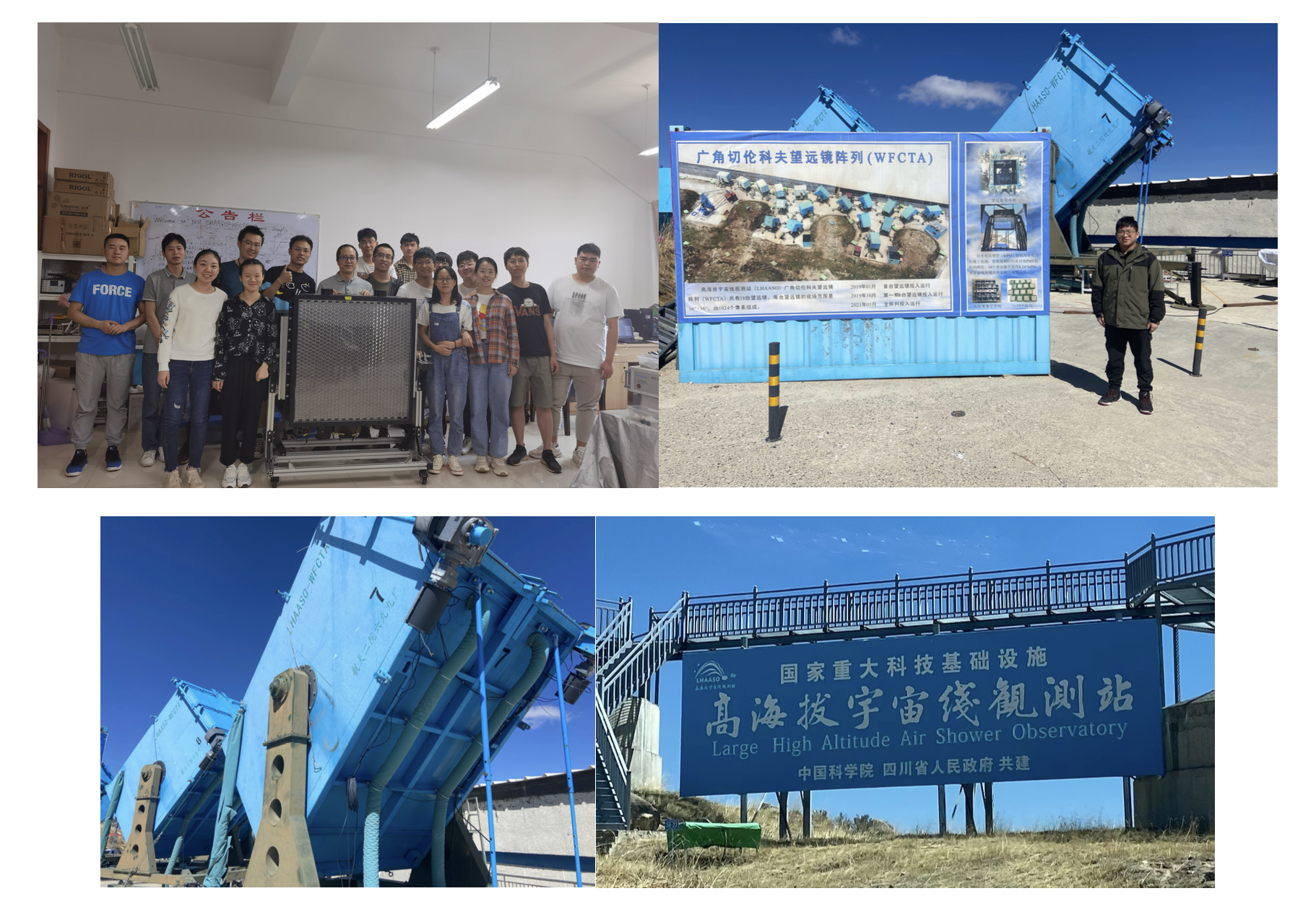
Figure 6. Group photo of the final "LHAASO-WFCTA Camera" after assembly, now successfully operating in Daocheng, Garzê Tibetan Autonomous Prefecture, Sichuan, China.